

Dirty Politics and Dirty Tiles: How Transparency Starts from the Ground Up
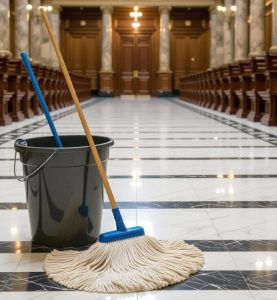 Every floor tells a story, and so does every government office. Both can appear spotless on the surface, yet hide layers of grime underneath. Dirt builds up quietly, filling corners and cracks until someone decides to scrub it out. Politics works the same way, corruption settles in unnoticed until transparency, like a good cleaning brush, makes its presence felt.
Much like the unglamorous task of floor and grout cleaning, floor and grout cleaning is essential if we want to restore shine and integrity, whether we’re talking about tiles or institutions. A neglected government, like a neglected floor, starts showing stains over time, policy scandals here, misused funds there. Both demand regular attention and a willingness to get our hands dirty to see real progress.
The Buildup Beneath the Surface
Grime doesn’t appear overnight. It creeps in slowly, settling into corners people stop noticing. The same goes for corruption. A small “favor” granted, a questionable contract signed, a promise conveniently forgotten. These little stains don’t seem alarming at first. But leave them unchecked, and suddenly the whole system looks like a public restroom in need of urgent repair.
Transparency is the mop of democracy. Without it, citizens are left walking on a sticky surface of secrecy and excuses. When a politician resists audits or hides transactions, that’s like skipping the deep clean and hoping air freshener will do the trick. A temporary fix, but everyone still smells the rot underneath.
When Institutions Need a Scrub
Every once in a while, an honest inspection reveals just how bad things have gotten. A government audit can be as eye-opening as lifting a rug after years of ignoring the dust beneath it. Suddenly, the public sees everything, misused budgets, hidden deals, and forgotten promises. It’s a humbling sight, but also a cleansing one. The act of exposing dirt, whether political or physical, reminds us that cleanliness is a continuous process, not a one-time effort.
Think of reform as a good detergent. It may sting at first, breaking down stubborn residues of old habits, but it paves the way for renewal. Every effective cleanup, whether it’s in Parliament or the kitchen, requires persistence and the right tools. As highlighted in building cleaners must be creative in times of crisis, adaptability and consistent effort are key to maintaining cleanliness, whether you’re restoring trust or shining tiles. Citizens become the scrubbers, questioning, challenging, and holding power to account.
The Tools of Accountability
Just as cleaners rely on brushes, sprays, and polish, democracies rely on journalists, watchdogs, and voters. They are the essential tools that scrape away the residue of dishonesty. A journalist exposing bribery is like someone scrubbing at black grout lines, slow, deliberate, and often exhausting work. Yet the reward is worth it. A surface that reflects light again, a government that regains trust.
Political cleaning isn’t glamorous. It rarely earns applause and often meets resistance. But just as floor cleaners know that unseen dirt can damage the entire structure, citizens must understand that ignoring corruption weakens democracy from its foundation. Both demand vigilance, routine care, and above all, transparency.
Keeping the Shine
After a major clean-up, maintenance becomes key. A freshly scrubbed floor loses its luster if neglected again, just as a reformed government can easily slip back into old habits. Regular audits, transparent communication, and civic engagement act as protective sealants, keeping grime from returning too quickly.
Citizens, like responsible homeowners, must learn to spot early signs of trouble. Slippery statements, unexplained wealth, or “temporary” privileges are like water leaks under tiles. Left ignored, they cause irreversible damage. Accountability should be as routine as sweeping, a simple daily act that prevents long-term decay.
The Reflection of Integrity
A clean floor reflects light, a clean government reflects trust. When both are maintained with care, the environment feels safer, brighter, and more inviting. A nation that values transparency stands on solid ground, literally and figuratively. Whether through honest politics or professional floor and grout cleaning, the principle remains the same: integrity begins where dirt ends.
So the next time we see a dirty tile or a dirty political move, let’s remember the same rule applies. Clean often, clean thoroughly, and never let grime hide too long. Transparency, after all, starts from the ground up.
