

The Politics Behind Sports Broadcasting Rights and Global Streaming Access
More than half of the world’s population watched at least one major sporting event through a broadcast or online stream in recent years, showing how deeply global audiences depend on media access to follow competition. Behind every live match lies a complex political and legal system that determines who can watch, where they can watch, and how much they must pay. Sports viewing today is shaped as much by policy decisions and licensing agreements as by athletic performance.
Governments, media companies, and digital platforms constantly negotiate control over live coverage. Licensing rules vary widely across borders, creating different viewing experiences for fans depending on location. Many viewers turn to platforms like RoyalTV offering Sports (스포츠중계) access to follow international matches, yet availability often depends on national broadcasting laws and copyright enforcement policies. These legal frameworks aim to protect intellectual property while balancing public access, though the results are rarely equal worldwide.
Why Broadcasting Rights Carry Political Weight
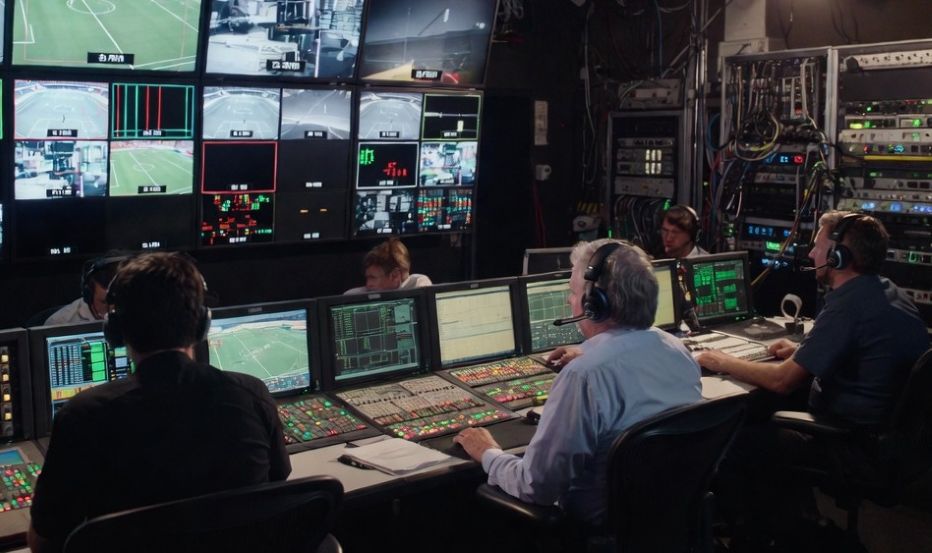
Sports media rights are among the most valuable assets in global entertainment. Organizations such as FIFA and the International Olympic Committee sell broadcasting packages worth billions of dollars to regional networks. These deals fund athlete development, infrastructure, and event operations. Governments often intervene because major tournaments are considered culturally significant events that should remain accessible to the public.
Some countries enforce “listed events” laws, requiring certain competitions to air on free television. The United Kingdom, for example, protects events like the FIFA World Cup final for public viewing. Policymakers argue that national moments should not sit entirely behind paywalls. Broadcasters, on the other hand, claim exclusive rights are necessary to recover investment costs. This tension highlights how sports broadcasting exists at the intersection of commerce and public interest.
Regional Restrictions and Geo-Blocking
One of the most visible outcomes of licensing politics is geo-blocking. Streaming platforms divide rights by territory, meaning a match available in one country may be unavailable in another. Fans traveling abroad often discover that their subscriptions suddenly stop working due to regional licensing rules.
Geo-blocking protects broadcasters that paid for exclusive rights within a market. Without such restrictions, cheaper international streams could undercut local networks. Still, critics argue that digital audiences now live globally connected lives, making rigid borders feel outdated. The debate continues as regulators attempt to balance fair competition with consumer expectations.
The Role of Copyright Enforcement
Copyright enforcement plays a central role in shaping access. Authorities and leagues actively combat unauthorized streams, viewing piracy as a threat to revenue stability. Leagues like the English Premier League invest heavily in tracking illegal broadcasts and working with internet providers to remove them quickly.
Enforcement approaches vary by country. Some governments issue rapid takedown orders, while others rely on slower legal processes. Strong enforcement can protect broadcasters but may also limit alternative viewing options in regions where legal services are expensive or unavailable. This uneven enforcement contributes to the fragmented global streaming landscape.
International Media Deals and Market Competition
Global sports rights negotiations increasingly resemble diplomatic negotiations. Media companies compete fiercely for exclusivity, often partnering with technology firms to expand reach. Streaming giants now challenge traditional television networks, reshaping how audiences consume live games.
In markets across Asia and Europe, regulators examine mergers and rights agreements to prevent monopolies. Competition laws attempt to ensure that no single company controls access to major sports entirely. These reviews influence pricing structures and determine how many platforms can legally distribute matches.
The evolution of sports broadcasting reflects broader media transformation. Viewers expect flexible access across mobile devices, yet licensing models remain tied to geographic territories. Policymakers must decide whether to modernize regulations or preserve existing systems that protect domestic broadcasters.
National Identity and Soft Power
Sports broadcasts also serve political goals beyond economics. Governments often view international tournaments as tools of cultural diplomacy. Hosting or broadcasting major events allows nations to promote identity, tourism, and global influence.
State-backed networks sometimes secure rights to ensure national teams receive maximum exposure. During global competitions, coverage becomes part of national storytelling, reinforcing shared experiences among citizens. This explains why governments occasionally subsidize broadcasting rights despite high costs.
The Future of Global Streaming Access
Technology continues to challenge traditional licensing structures. Virtual private networks, cross-border subscriptions, and decentralized platforms push regulators to rethink enforcement strategies. Meanwhile, audiences increasingly demand universal access rather than region-specific packages.
Industry analysts predict hybrid models combining global streaming passes with localized partnerships. Such systems could reduce fragmentation while preserving revenue for rights holders. Achieving this balance will require cooperation among leagues, governments, and technology companies.
Political decisions will ultimately shape how global audiences experience live sports in the coming decade. Laws governing copyright, competition, and public access will determine whether fans enjoy smoother international viewing or remain limited by territorial agreements. As streaming technology evolves, policymakers face growing pressure to create systems that respect intellectual property while recognizing sport’s unique role as a shared global language.
READ ALSO: How Politics and Esports Converge in the World of League of Legends
Conclusion
Global access to live games is shaped by negotiations far removed from the playing field. Broadcasting rights agreements, regulatory frameworks, and enforcement policies collectively decide how fans experience sport across continents. Understanding the politics behind sports broadcasting reveals why access varies so widely and why debates over fairness and availability continue. As governments and media companies adapt to digital realities, the challenge will be building a system that protects creators, sustains leagues, and keeps the world connected through competition.
 Small businesses often play a much bigger role in sustainability than they’re given credit for. HVAC companies, in particular, sit at the heart of local energy policy, connecting homeowners, city planners, and environmental goals. Companies like BPM heating, cooling & plumbing are not just fixing furnaces or installing air conditioners, they’re helping communities rethink how energy is used, saved, and regulated.
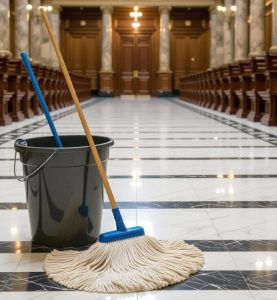 Every floor tells a story, and so does every government office. Both can appear spotless on the surface, yet hide layers of grime underneath. Dirt builds up quietly, filling corners and cracks until someone decides to scrub it out. Politics works the same way, corruption settles in unnoticed until transparency, like a good cleaning brush, makes its presence felt.
 Safety is the top priority at any political event. Rallies often attract passionate supporters, but emotions can run high. Fencing is a physical reminder of boundaries, reducing the chance of overcrowding or confrontations. Temporary metal barriers are especially effective. They’re strong, easy to set up, and can be adjusted as needed. Organizers can place them around high-traffic areas like food stalls or restrooms to prevent congestion. This setup keeps attendees safe while allowing them to focus on the event.





 Such a good reputation does not come by itself. It is the fruit of many years of effort, the result of persistent commitment, a lot of patience and a lot of understanding towards partners with a different culture, with a different way of thinking and with sometimes an idiosyncratic understanding of Business, administration and politics.

 The online portal opens up a new opportunity for participation. Users in contrast to television and newspapers do not have to remain solely in their role as a receiver of the information offered. They rather actively help to shape the media offer. They use the Internet and its services as a platform for political activity can.


 Office politics can be tricky, stressful, and sometimes downright confusing. But navigating workplace dynamics is surprisingly similar to managing your strategy in a game like Diablo 2. Just as a player hunts for rare items and avoids dangerous monsters, employees need to spot potential pitfalls, protect their reputation, and make smart decisions. If you enjoy games, you might even find it helpful to check out a D2 item store for tips on strategy, because the same patience and planning apply in the office.
 You are not alone in a group; if you do something, it affects the others in the group as well.