

How Politics Shapes the Growth of a Modern Movie Library
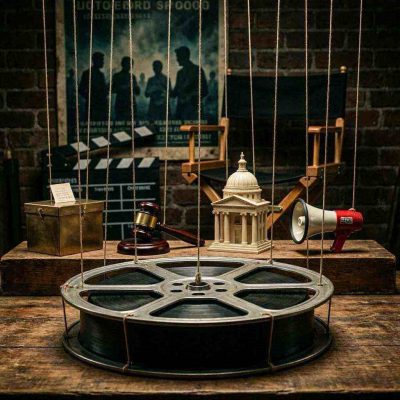 A movie library is more than a collection of films. It is a valuable resource that preserves stories, cultures, history, and creative achievements for future generations. Whether it exists as a physical archive or a digital platform, a movie library for Arabic audiences allows people to explore films from different countries, languages, and time periods. However, the growth and accessibility of a movie library are often influenced by politics.
Government policies can affect film production, preservation, distribution, copyright protection, and public access. Political decisions may determine how national film archives are funded, how cultural heritage is protected, and how international movies are shared across borders. While politics and entertainment may seem unrelated, they often work together in ways that shape what audiences can watch and preserve.
Understanding this relationship helps viewers appreciate the importance of protecting diverse collections of films while supporting fair access to cinema from around the world.
Government Policies and Film Preservation
Many countries consider films to be part of their cultural heritage. Because of this, governments often support movie libraries and national film archives through funding, preservation programs, and educational initiatives.
Old films require proper storage to prevent damage. Physical film reels can deteriorate over time, while digital files also need regular maintenance to remain accessible. Public funding helps preserve these important works so future generations can continue to enjoy them.
Governments may also create laws that encourage film restoration. Classic movies are often digitally restored to improve picture and sound quality while preserving the original work.
Political support for arts and culture allows museums, libraries, universities, and film institutions to expand their collections. These organizations make films available for research, education, and public viewing.
International partnerships also play an important role. Countries sometimes work together to restore historical films or exchange cultural collections. These collaborations strengthen relationships while promoting greater understanding between different societies.
Copyright laws are another important political issue. These laws protect filmmakers while also determining when movies can legally become part of public collections. Clear copyright regulations encourage responsible preservation without violating the rights of creators.
Educational institutions benefit from strong movie libraries because students studying history, language, media, and culture gain access to authentic visual resources that enrich classroom learning.
Without long-term political support, many important films could be lost due to aging materials, natural disasters, or limited financial resources.
Politics, Access, and International Film Collections
Political decisions also influence which films become available to audiences. Import regulations, broadcasting rules, licensing agreements, and international partnerships all affect the size and diversity of a movie library.
Some governments actively encourage cultural exchange by supporting international film festivals and distribution agreements. These efforts introduce audiences to movies from different regions while helping local filmmakers reach global viewers.
Diplomatic relationships may also influence cultural cooperation. Friendly international partnerships often lead to greater sharing of films, educational resources, and creative projects.
Digital technology has expanded access to movie libraries through streaming services and online archives. Governments sometimes invest in digital preservation programs to protect classic films while making them easier for the public to access.
Public libraries increasingly include digital movie collections alongside books and educational materials. This allows people to borrow or stream films legally from their local communities.
Political support for broadband infrastructure and digital education also improves public access to online movie libraries, particularly in rural or underserved areas.
However, maintaining balance remains important. Governments must protect intellectual property while encouraging cultural access. Fair licensing systems help creators receive proper compensation while allowing educational institutions and libraries to build meaningful collections.
International cooperation also supports multilingual movie libraries through subtitle translation and accessibility programs. These efforts make foreign films easier to enjoy for audiences around the world.
As technology continues to evolve, political decisions will remain important in determining how movie libraries grow and serve future generations.
Why Diverse Movie Libraries Benefit Society
A well-developed movie library offers benefits that extend far beyond entertainment. It helps preserve cultural identity, supports education, encourages creativity, and promotes understanding between different communities.
Students can explore historical events through documentaries and feature films. Language learners can improve listening skills by watching movies in their original language with subtitles. Researchers gain access to valuable visual records that reflect social change over time.
Movie libraries also support independent filmmakers by preserving smaller productions that might otherwise disappear. These collections ensure that a wide range of voices and perspectives remain available for future audiences.
Families benefit by discovering films from different countries that introduce children to new cultures, traditions, and storytelling styles. This encourages curiosity and respect for global diversity.
Filmmakers often study classic movies to improve their own skills. Access to a rich movie library allows directors, writers, cinematographers, and editors to learn from earlier generations while developing fresh ideas.
Tourism can also benefit. Popular films frequently inspire viewers to visit the locations where they were filmed, bringing attention to cities, historical landmarks, and natural attractions.
Political leaders, cultural institutions, and educational organizations all share responsibility for protecting these valuable collections. Continued investment in preservation, restoration, and digital access helps ensure that films remain available for many years to come.
A diverse movie library allows audiences to experience stories from different cultures while preserving important moments in cinematic history. It supports education, encourages cultural appreciation, and strengthens creative industries around the world.
As new films continue to be produced every year, maintaining accessible and well-preserved movie libraries becomes increasingly important. Political support, responsible copyright policies, and international cooperation all contribute to building collections that benefit both present and future generations.
By recognizing the value of movie libraries as cultural resources rather than simply entertainment collections, societies can preserve their cinematic heritage while making it accessible to audiences everywhere.

 Every floor tells a story, and so does every government office. Both can appear spotless on the surface, yet hide layers of grime underneath. Dirt builds up quietly, filling corners and cracks until someone decides to scrub it out. Politics works the same way, corruption settles in unnoticed until transparency, like a good cleaning brush, makes its presence felt.

 Safety is the top priority at any political event. Rallies often attract passionate supporters, but emotions can run high. Fencing is a physical reminder of boundaries, reducing the chance of overcrowding or confrontations. Temporary metal barriers are especially effective. They’re strong, easy to set up, and can be adjusted as needed. Organizers can place them around high-traffic areas like food stalls or restrooms to prevent congestion. This setup keeps attendees safe while allowing them to focus on the event.

 Webtoons could be strong agents of social change catalyst. Webtoons can start significant dialogues and motivate viewers to participate more in civic life by tackling delicate political concerns and questioning accepted narratives. Furthermore empowering underprivileged voices and offering a forum for different points of view to be voiced are these digital comics.


 The role of towing company san jose motorists rely on for roadside assistance stands out as a critical aspect of public safety, which local policy makers get to influence. Since the city of San Jose is central to many economic activities across the State of California, the demand for road safety and traffic management is quite high. San Jose is a bustling metropolis constantly in need of efficient traffic management to see to the smooth flow of vehicles, whilst maintaining the safety of the city’s residents and visitors.
 In the heart of all these considerations, the set of standards and qualifications of heavy-duty towing companies, imposed by the local city


 High-speed rail has become an increasingly important mode of transportation in many countries, including Germany. In recent years, the German government has invested heavily in developing high-speed rail infrastructure to improve travel times and reduce congestion on the country’s highways and airways. However, the development of high-speed rail in Germany has not been without its challenges and has been influenced by a range of


